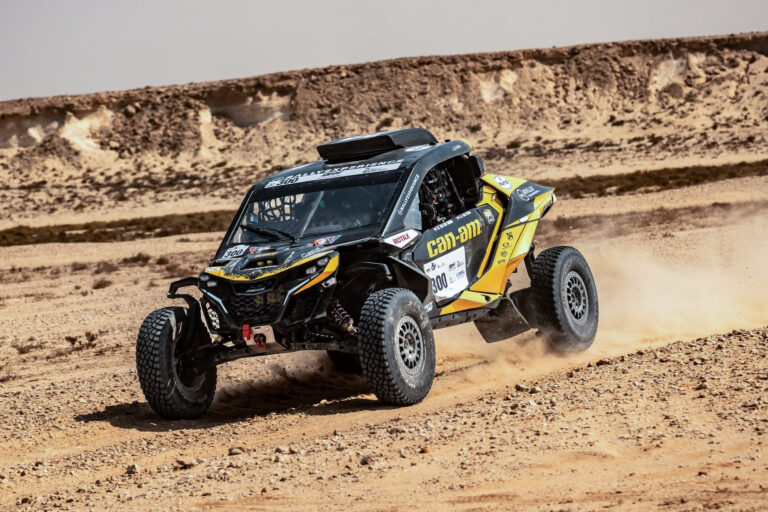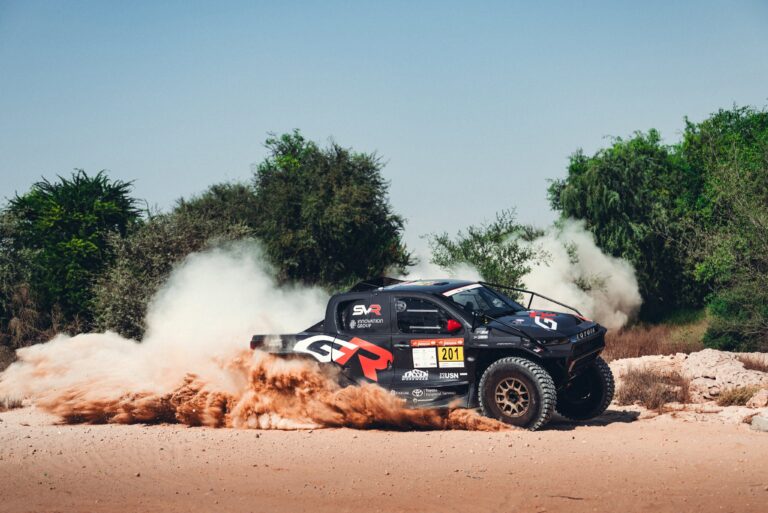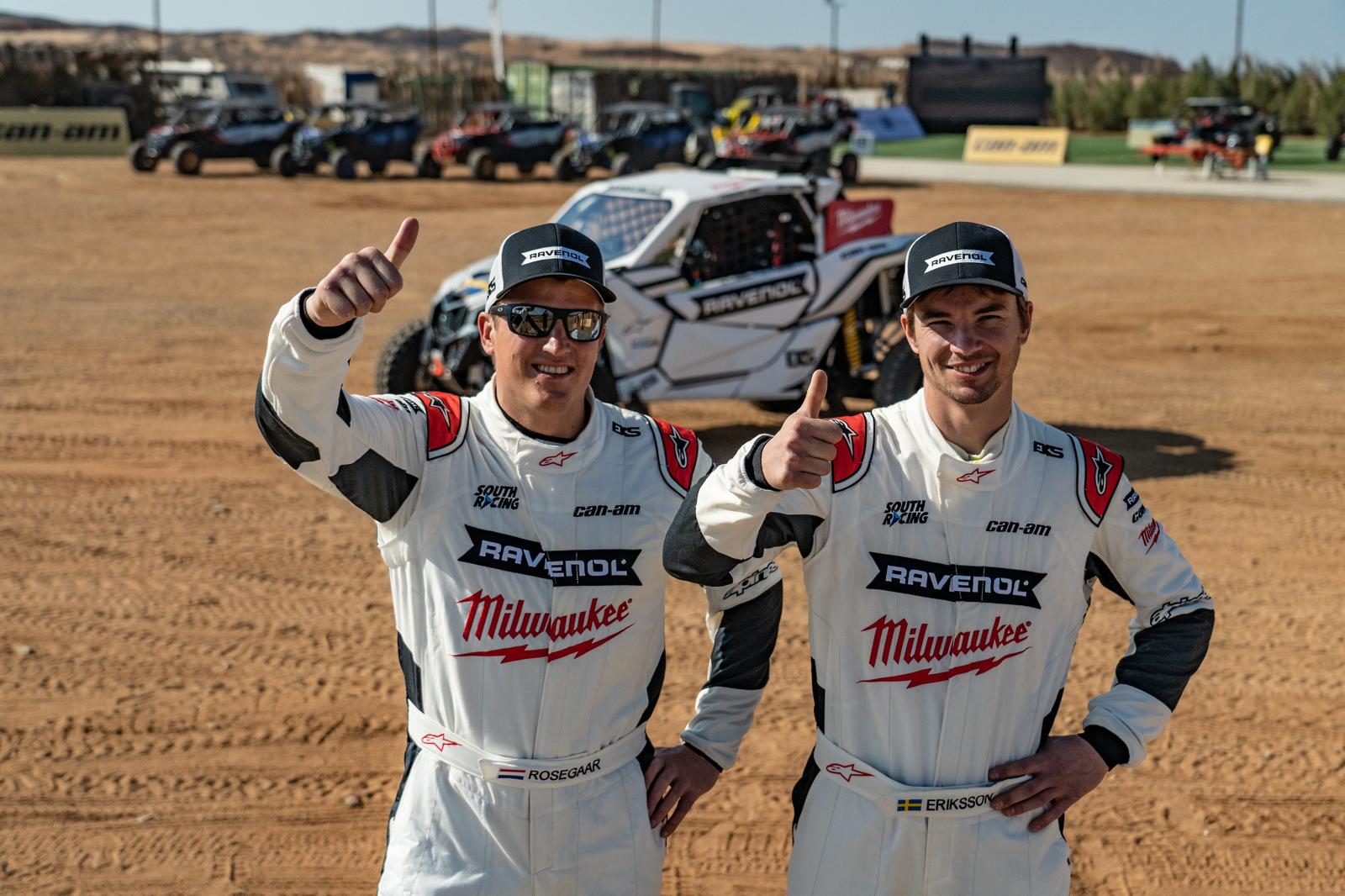

On the eve of the 49th Dakar Rally, Wouter Rosegaar (43) is preparing for his twentieth participation. He made his debut in 2006 as navigator for Tonnie van Deijne and has since competed in Africa, South America and the Middle East, in cars, trucks, SSVs and Challengers. A look back at twenty years of Dakar and the stories that come with it.
A handful of sand
Wouter’s Dakar story starts with a sandpit. He was studying IT when he ended up at Van Deijne in Volkel and got to know Tonnie. One day Tonnie told him he was going to race the Dakar and asked whether Wouter would build a website so people could follow the adventure. ‘From that moment on, I was hooked.’
The dream of standing at the start himself only arose during Tonnie’s first Dakar. Before that, Wouter had at most seen the rally pass by on television. The passion for cars, technology, adventure and challenge had always been there, and the Dakar brought it all together.
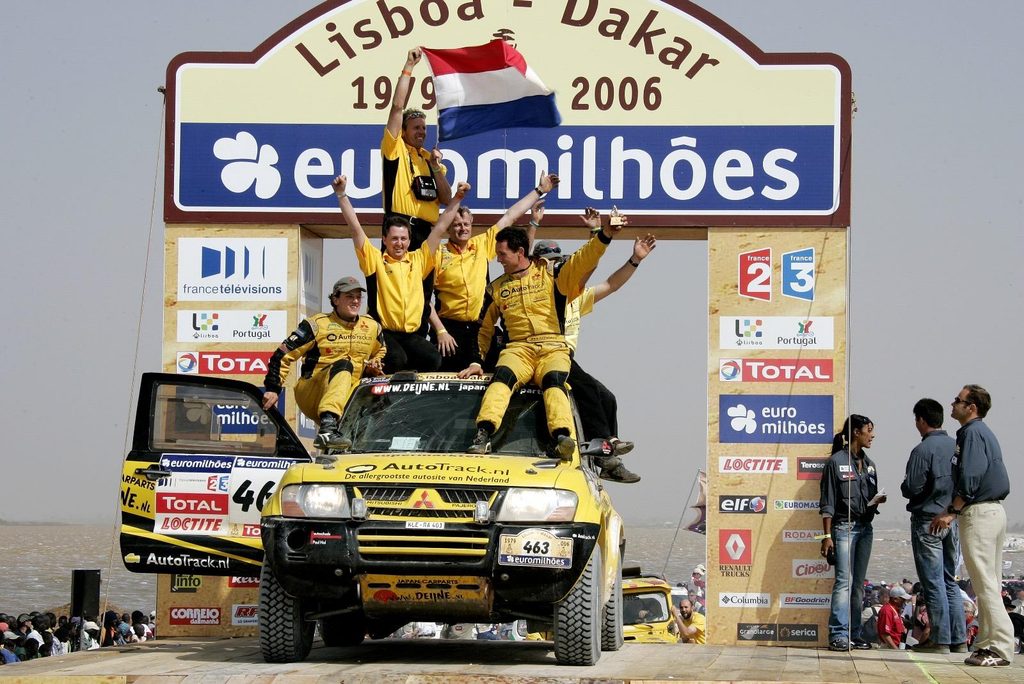
In 2005 he helped wherever he could with the preparation, together with Tonnie’s navigator Frans van Zutven. Wouter was closely involved right up to the start in Barcelona, where he even entered the GPS code for the prologue. Tonnie and Frans retired with mechanical trouble. A few weeks after getting home, Tonnie asked whether Wouter wanted to step in as navigator. He felt that Wouter had ‘a feel’ for it.
There was one problem: Wouter had meanwhile started studying Commercial Economics. Racing the Dakar on a student grant seemed impossible. So they came up with a plan: a commercial internship assignment around the Dakar. What does a Dakar entry deliver for a sponsor, and how do you make that measurable? Finding sponsors was part of it.
Wouter made personalised sponsor brochures and, just before sending them, had an idea. ‘We had to stand out, after all.’ He put a handful of sand in every envelope, from the sandpit he had played in as a child. The letters went to about ten companies that fitted the Dakar story but had no prior contact with the team.
A few days later AutoTrack.nl responded. There, a 21-year-old Wouter told his story. AutoTrack.nl became the main sponsor and stayed on for years. ‘I owe a huge amount to that partnership.’
A small world
His first Dakar was getting closer. What he would have liked to know beforehand is hard for Wouter to say, looking back. ‘The Dakar has given me an enormous amount, every edition again.’ You learn about people, about making choices and deciding under pressure, about taking responsibility and above all about working together.
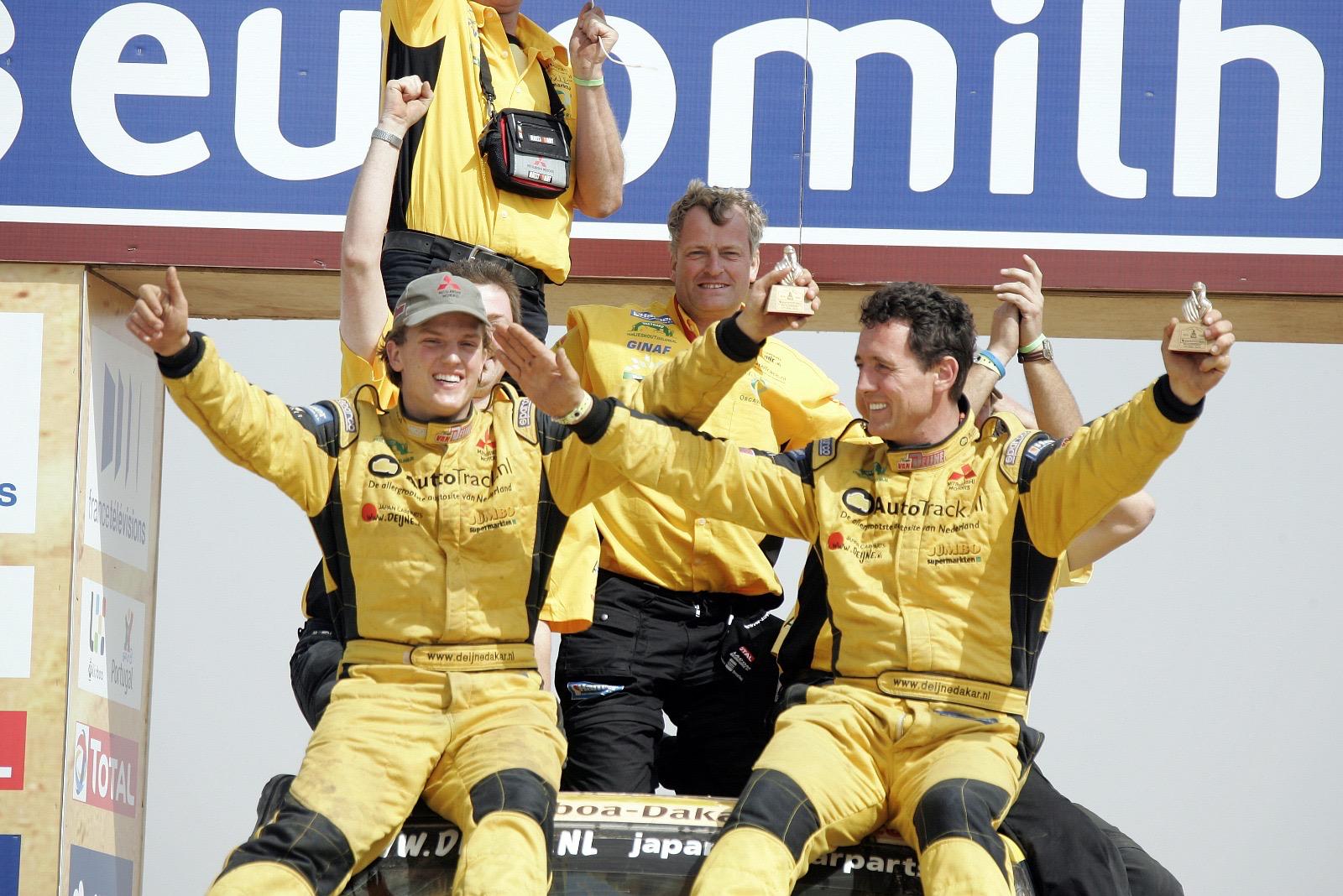
He therefore describes the Dakar as a small world of its own. People from all walks of life, each with their own story and role, who badly need each other for three weeks. ‘Under those circumstances nobody keeps a mask on for three weeks. You get to know each other as you really are, and yourself too.’ You take that home with you. ‘It really is baggage for life.’
From rookie to veteran
In 2006 Wouter ‘basically knew nothing’. ‘A lot just happened to me.’ What changes that is simple: experience. You learn to read the terrain, interpret the roadbook and work with different drivers. The more you drive together, the better you know what you have in each other.
His early years consisted of multi-year plans. Four Dakars with Tonnie, three with Peter van den Bosch in the DAF truck and four with Erik van Loon. All eleven finished. ‘Those were also periods in which we were working towards something together.’
Wouter’s perseverance and talent drew attention within the Dakar too. In 2010 he was presented with the Henri Magne Trophy by Nani Roma. Magne was himself a respected navigator who died in 2006 during the Rallye du Maroc after a crash alongside Roma. A trophy was then created in his name to reward a talented navigator. Wouter received it in 2010 after his fourth Dakar with Van Deijne.
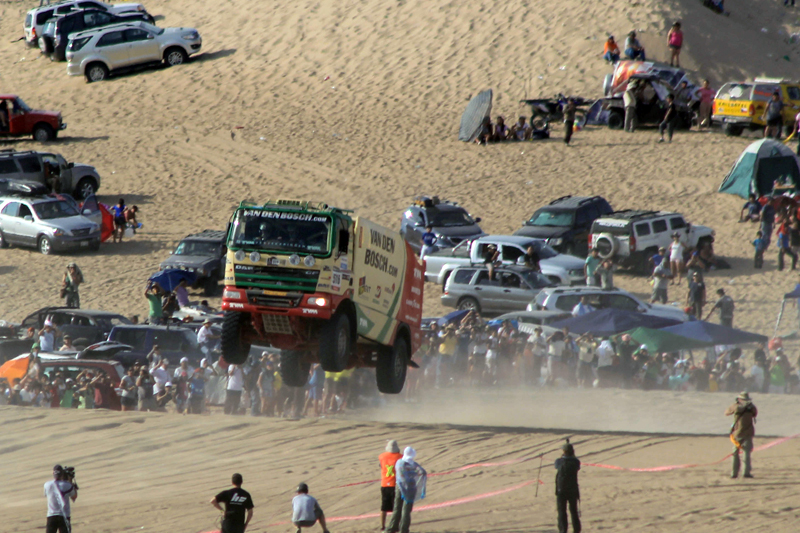
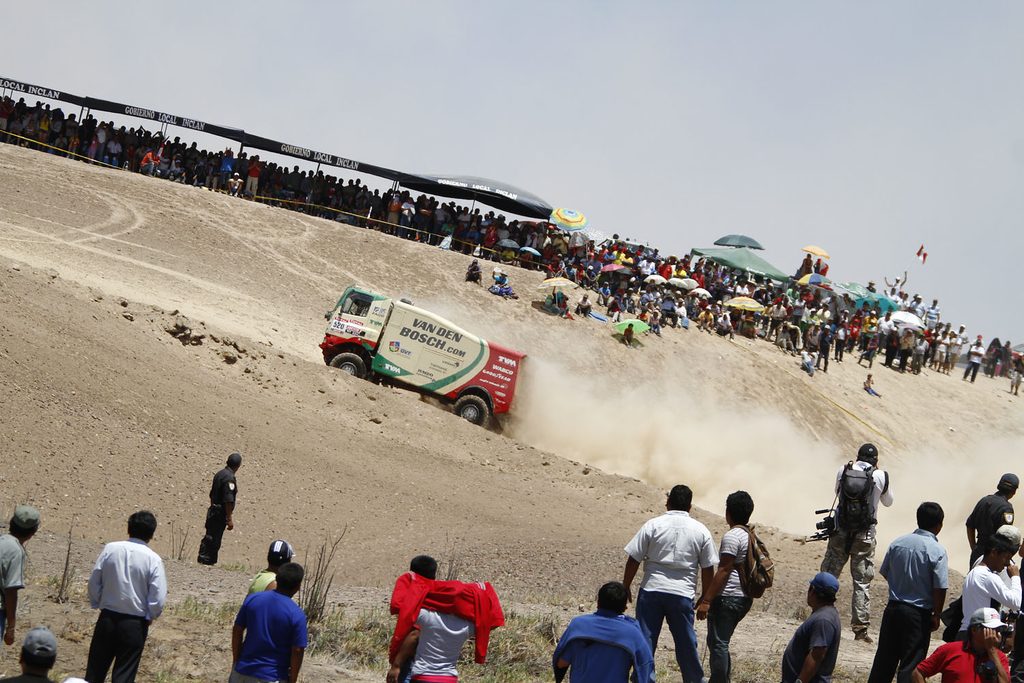
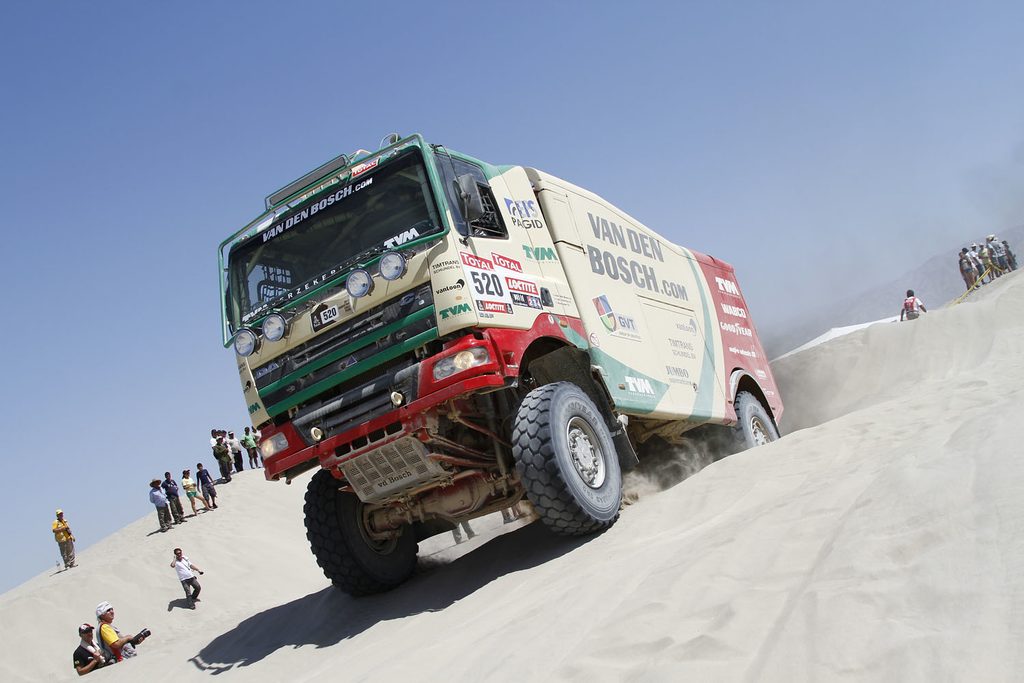
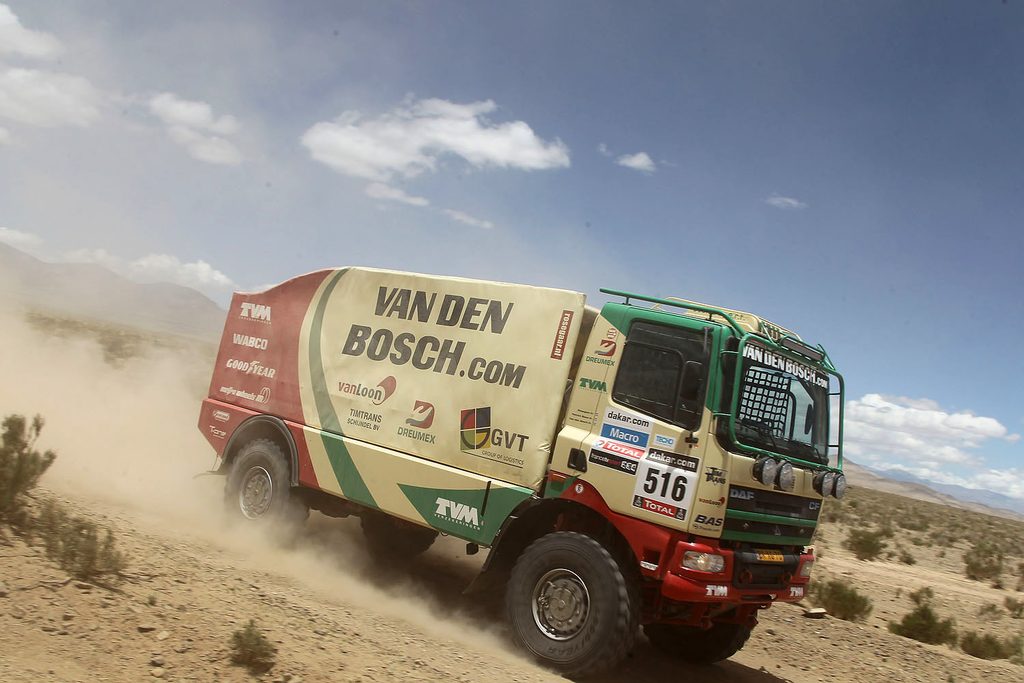
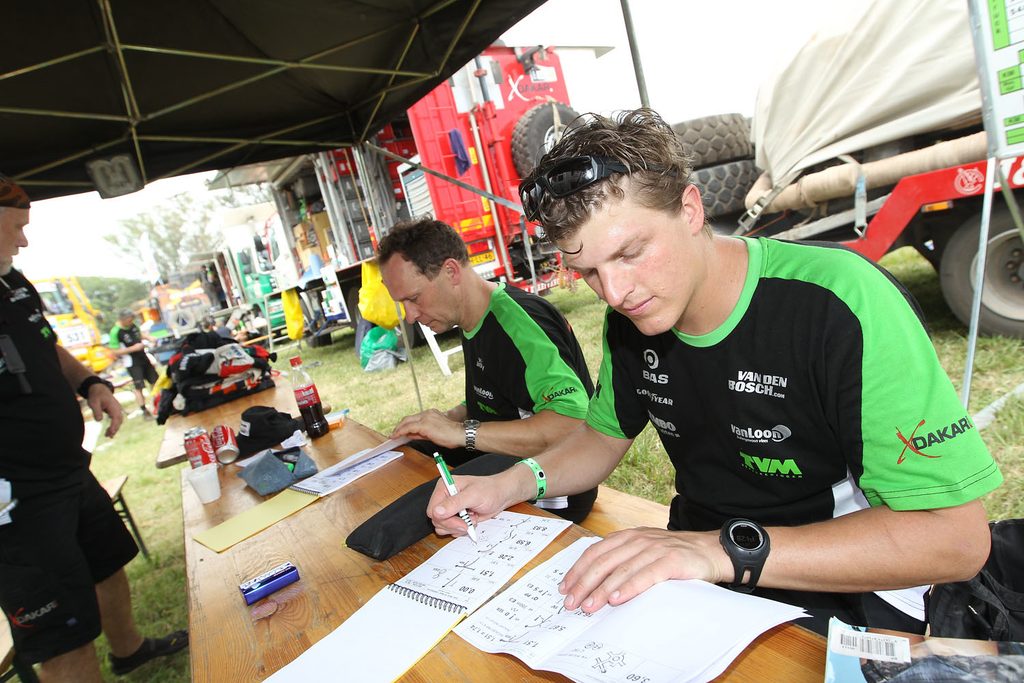
He then moved to the trucks. With Peter the goal was the top ten in the DAF CF. In their third year, 2013, they made it: tenth. Ahead of the final stage they were eleventh, with Martin van den Brink exactly one minute ahead. ‘It was quite an adventure to get past him, but we did it.’ If you have worked towards something together for three years, says Wouter, a moment like that is incredibly special. ‘I’ll never forget it.’
After that he got the chance to return to cars and to race the Dakar Rally with Erik.
Fourth in 2015
With Erik the goal was the top five. In their second Dakar together they finished fourth in 2015 with the MINI. In the build-up they had driven an enormous amount together and had their own MINI team that they worked with all year. ‘It really felt like a group of friends. You knew each other well, knew what you had in each other and worked towards the same goal.’
At such a moment you feel: this is it. ‘This is the maximum achievable for us.’ And the pride was huge. ‘Of course, you’re just next to the podium. But you are among the professional world elite. And we’re just ordinary Brabanders who go back to work on the Monday after the Dakar.’
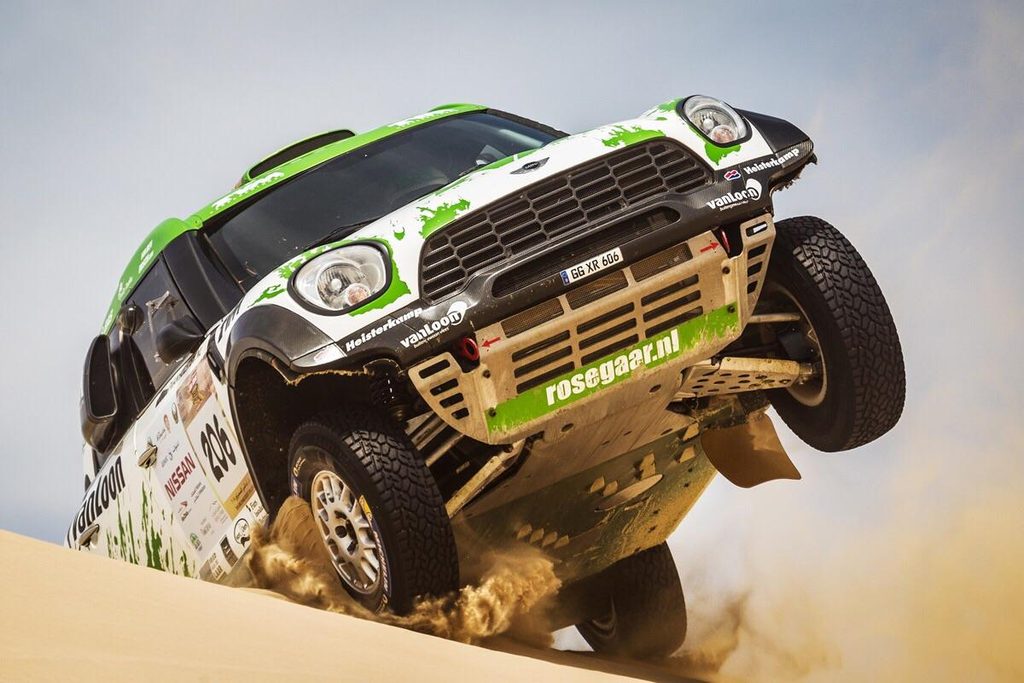
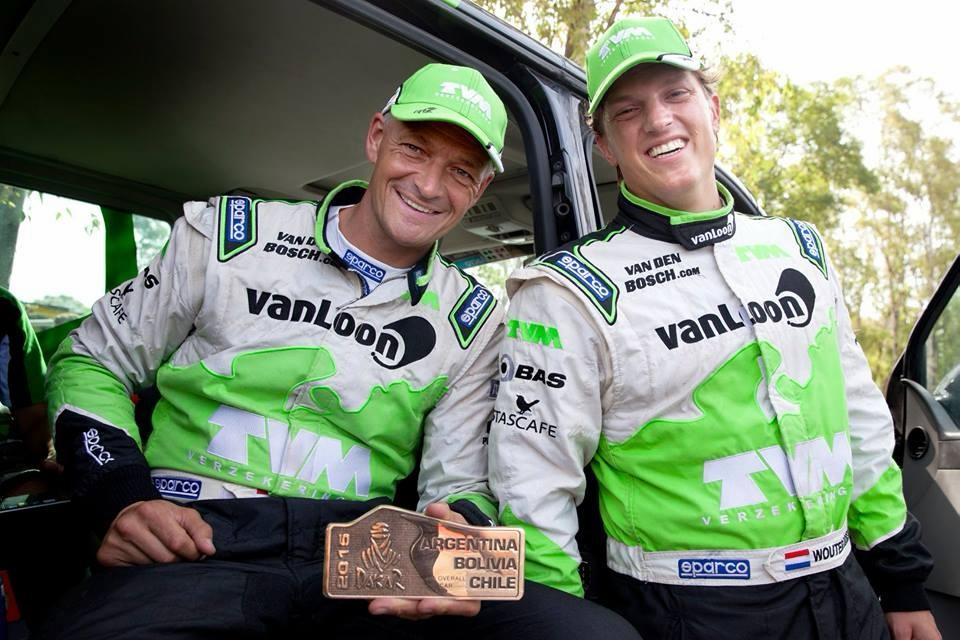
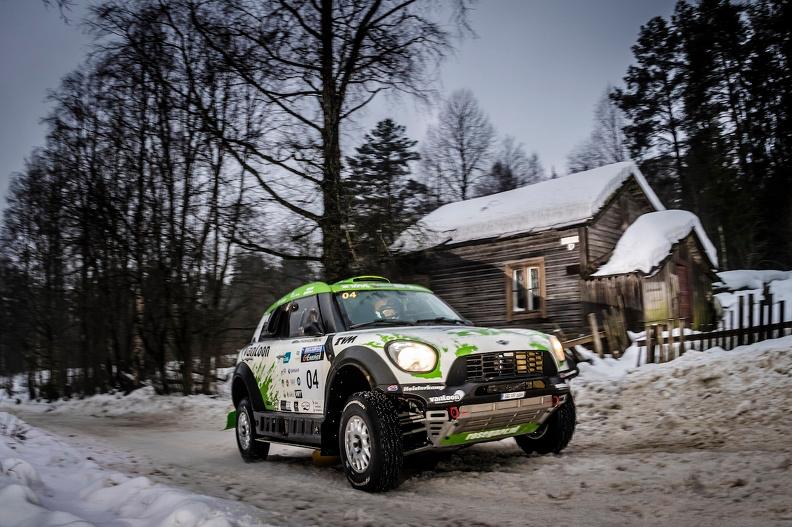
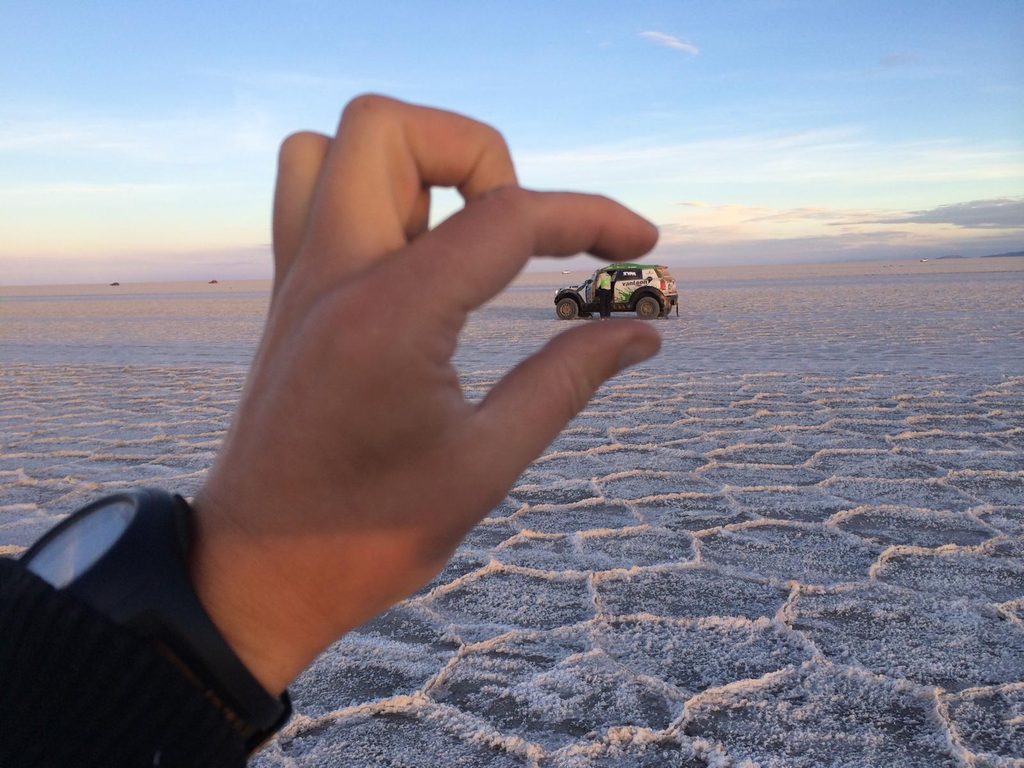
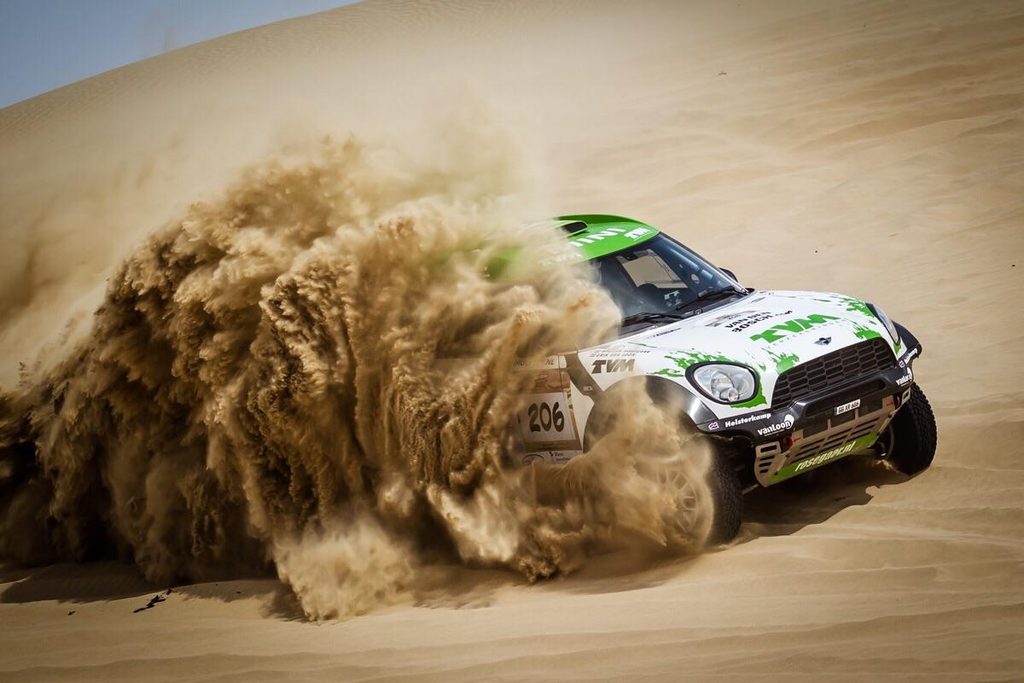
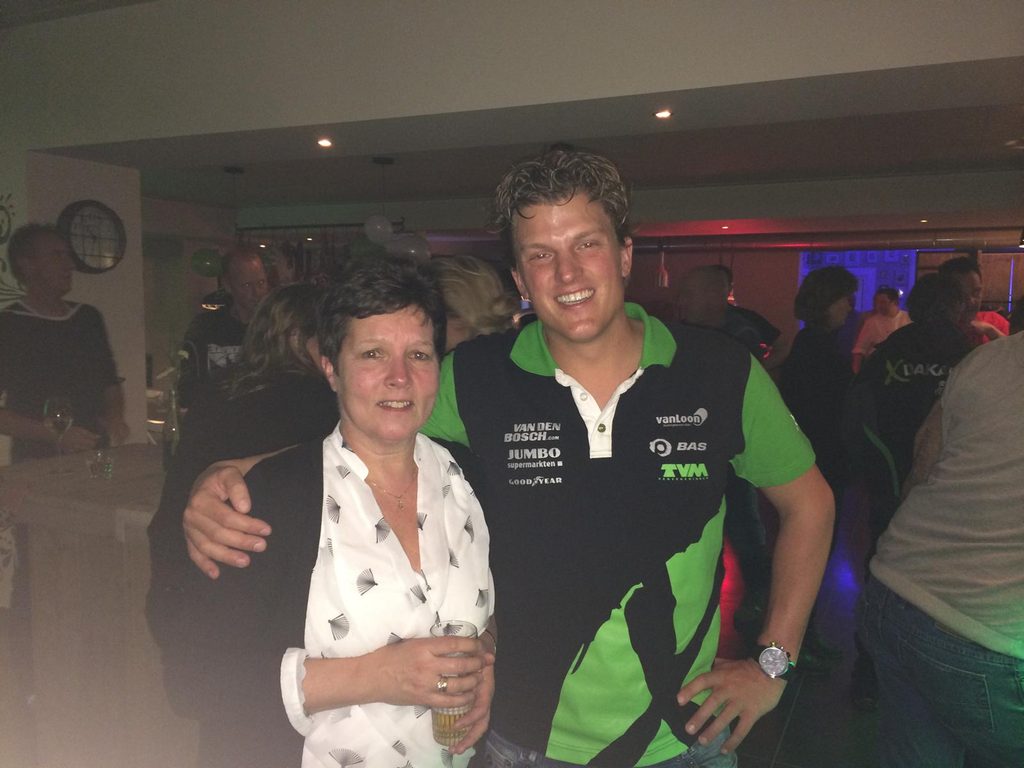
With that fourth place they also improved the Dutch record in the car classification. Kees and Mieke Tijsterman had finished fifth in 1989, and that had been the best Dutch performance for 26 years. The 2015 record still stands.
After those four Dakars, Wouter and Erik did not drive together for a number of years. Now they are back in the car together, in Bajas and other cross-country rallies.
After the years with Erik he started looking at things edition by edition. ‘How does it fit in my diary, business-wise and privately? What is the goal? Is there a challenge in it for me, and can I add something for the driver and the team?’ That is how he came to work with international teams and drivers from very different backgrounds, from world-class names like Kris Meeke and Mattias Ekström to Richard Aczel, an entrepreneur who started out without racing experience. ‘It’s precisely those differences that make it interesting for me.’
Ten seconds
A moment that has always stayed with Wouter is the ninth stage of Dakar 2016. He and Erik finished second, just ten seconds behind Carlos Sainz. On the road they had no idea they were so close to the stage win. ‘It was incredibly tough, with 60 degrees in the car. But we just did our thing: keep your head in it and keep going.’
‘Finishing second is great, of course. But when you see afterwards that it was only ten seconds… we really shouldn’t have let that slip. It still gnaws at me a little.’
The year he missed
Does it ever become routine? Not really. ‘Every Dakar brings something new.’ How much it still means to him, Wouter noticed in 2020, the only edition he has missed since his debut. An agreement with an international driver fell through. ‘I was annoyed about that, although I had convinced myself that skipping a year would be fine.’
Until, on Boxing Day, during a winter sports holiday, he got a call asking whether he was available. He had arranged nothing: no licence, no physical preparation, and business-wise he had not allowed for it. ‘But I exploded with adrenaline. Of that supposedly fine year off, very little was left at that moment.’
In the end he did not drive that Dakar. ‘But then I knew: I want to make sure I’m always prepared when a chance like that comes along.’
Car, truck or SSV
Wouter has navigated in every class and feels privileged because of it. The car is the most challenging for him. ‘The speed, the experience, the sound… You sit low to the ground, so everything feels much more intense.’
In a truck you sit high up and have a lot of overview. ‘That means the driving is done differently, more by sight and less on the notes.’ For a navigator that is less challenging. ‘In a car, the interplay between driver and navigator comes into its own even more, I feel.’
And then there are the SSVs and Challengers. ‘When you see what has happened over the last ten years, it’s really impressive.’ It is great, says Wouter, to witness that development up close and be part of it yourself.
Kris Meeke’s campfire
The night with Kris Meeke in the Saudi desert, during Dakar 2021, is ‘quite a nice adventure’, according to Wouter. In the middle of nowhere they sat by a campfire, with a few locals who were beside themselves with excitement. ‘We laughed a lot there.’
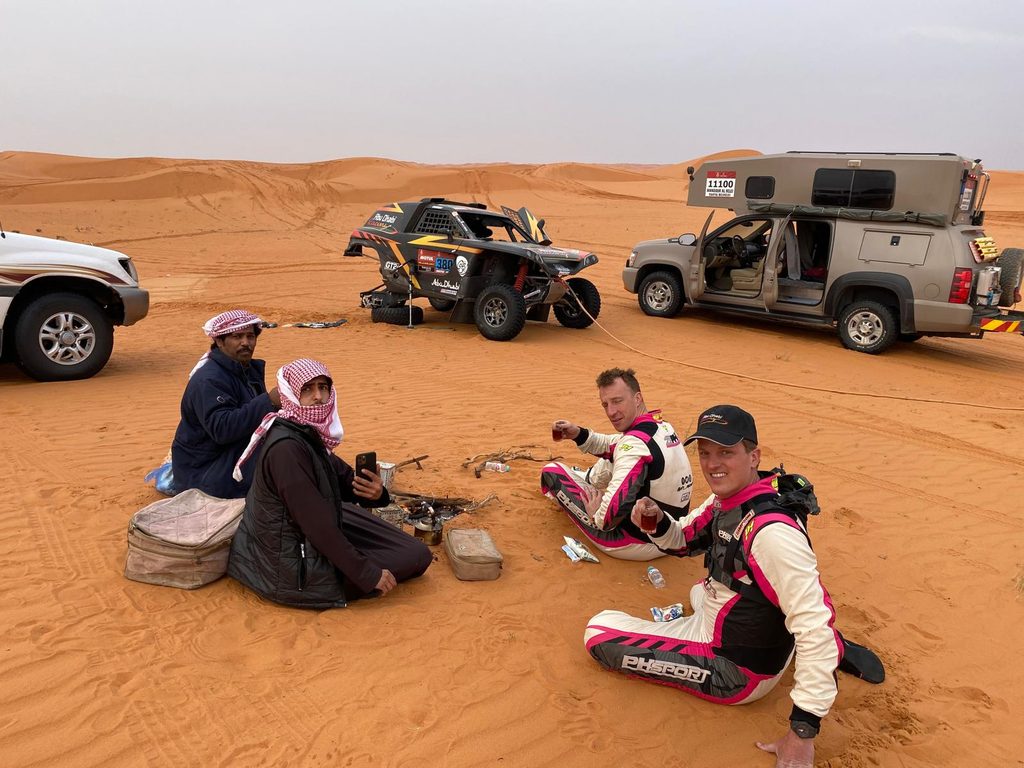
They had started out with a very different goal. They wanted a good result, won the prologue and went for it. But from day two onwards they had nothing but technical problems. ‘What started as a sporting challenge turned into a survival trip.’
After yet another problem, the team manager sent a message: ‘If you want to stop, I understand.’ Kris immediately replied: ‘Never! Even if we have to push it to the finish.’
‘I thought that was great. The sporting goal had long gone overboard, but we both wanted to carry on.’ They reached the finish. ‘That’s exactly why a Dakar like that stays with you. The result is no longer what matters, but what you experienced together.’
Twenty Dakars, three continents
Up to and including 2007 the Dakar was run in Africa, where it all began for Thierry Sabine, the rally’s creator and founder. After the terrorist threat, the 2008 edition was cancelled shortly before the start and the rally moved to South America. In 2020 the Dakar Rally went to Saudi Arabia. The 2027 edition will return to Africa.
Each continent had its own atmosphere. In Africa, in 2006 and 2007, the Dakar was still a real adventure. ‘Sometimes you had no mobile coverage for days and were truly in the middle of nowhere.’
In South America, for eleven editions, the rally passed through inhabited areas. ‘In those first years in Buenos Aires you simply felt like a superstar. Millions of people along the road, cheering wildly, wanting photos with you, asking for autographs.’ In terms of nature the continent also had everything: high mountains, steppes, deserts and enormous sand dunes. ‘But however beautiful it all was, after all those weeks it was always nice to come home and pick up normal everyday life again. Especially after a successful Dakar you come home with an enormous dose of energy, which I can then also put into everything I do at home and at work.’
Saudi Arabia, where the rally has been run since 2020, offers enormous possibilities and all kinds of terrain, according to Wouter. New technology and regulations have changed the Dakar, though. ‘It has become a bit less of an adventure and a bit more of a race.’ He puts that down not to the rally or the country but to the times we live in. The foundation remains: perseverance, strategy, discipline and endurance.
His ideal Dakar would be on a new continent, where nobody knows the terrain and everyone starts on equal terms. He thinks of China, where he drove from Moscow to Beijing in the truck with Pascal de Baar. ‘That was beautiful and leaves you wanting more. But will it ever happen?’
In 2027 Wouter faces a Dakar that starts in Portugal and then runs for almost two weeks in Morocco. Great driving, but treacherous too: ‘You really have to drive with your head.’ A Dakar all the way to Dakar, as in 2006, also appeals to him. That is mainly a personal thing, going back to where it began. With today’s equipment they would get there a lot faster, by the way, he expects with a wink.
The new generation
Wouter likes to contribute. ‘Everything you’ve learned over the years comes in handy somewhere.’ It has to click. ‘You need each other and you both have to be open to what the other brings.’ If that is the case, you get energy and enthusiasm in the car.
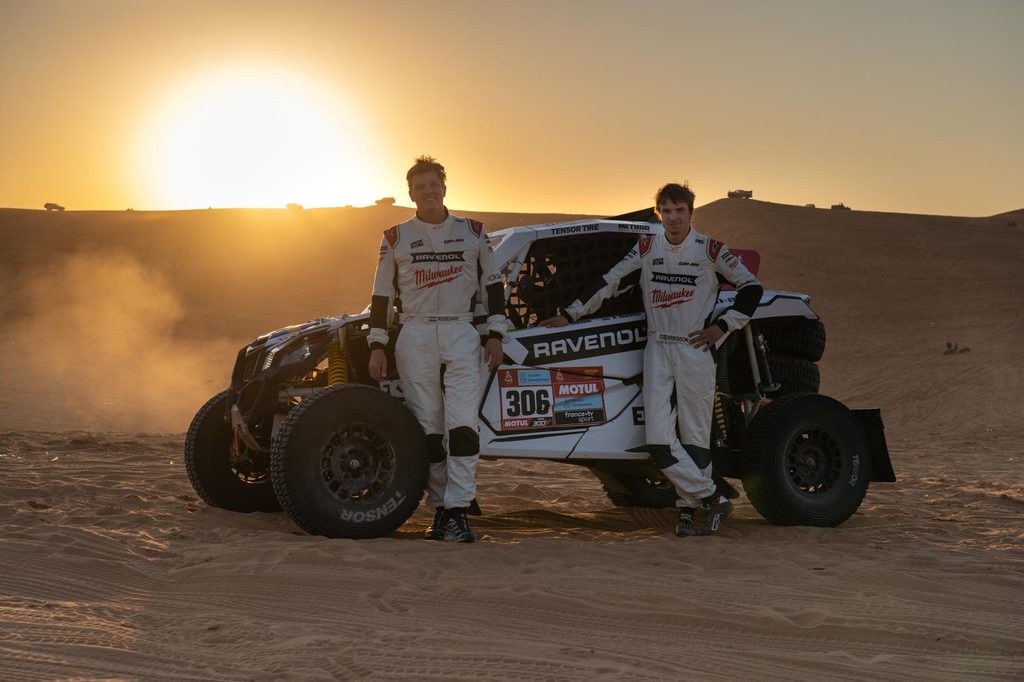
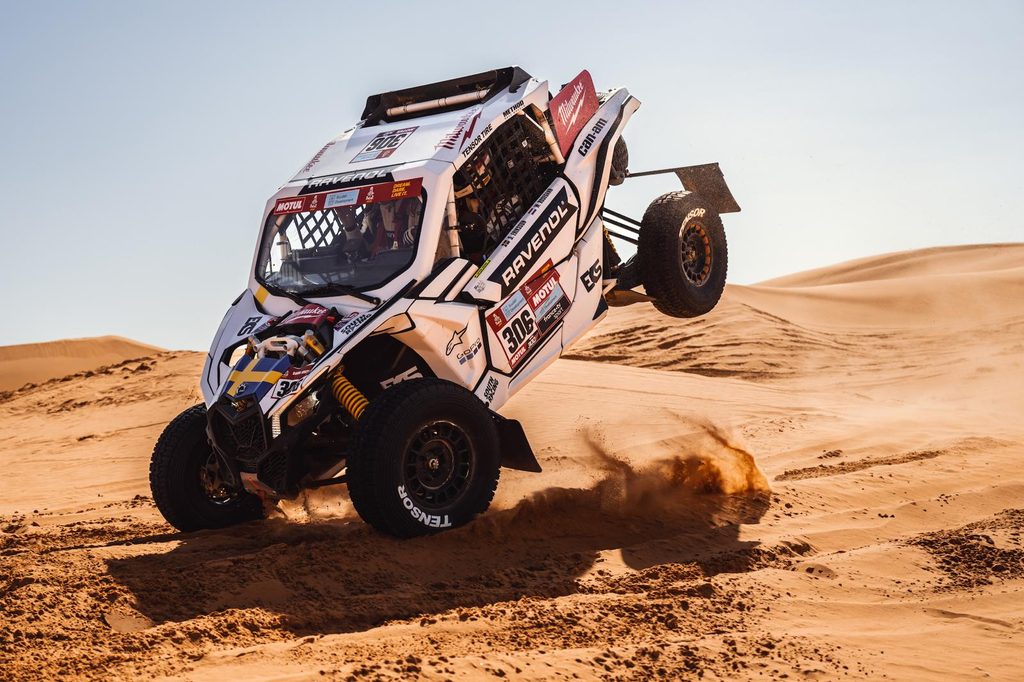
The most special starting point he experienced was in 2022. In November Mattias Ekström called: he had a talented rallycross driver, Sebastian Eriksson, but with no Dakar experience. Wouter and Sebastian only met on 28 December in Saudi Arabia. Mattias showed them their motorhome, race suits, the South Racing Can-Am T3 and the team. ‘Everything’s here, make something of it.’
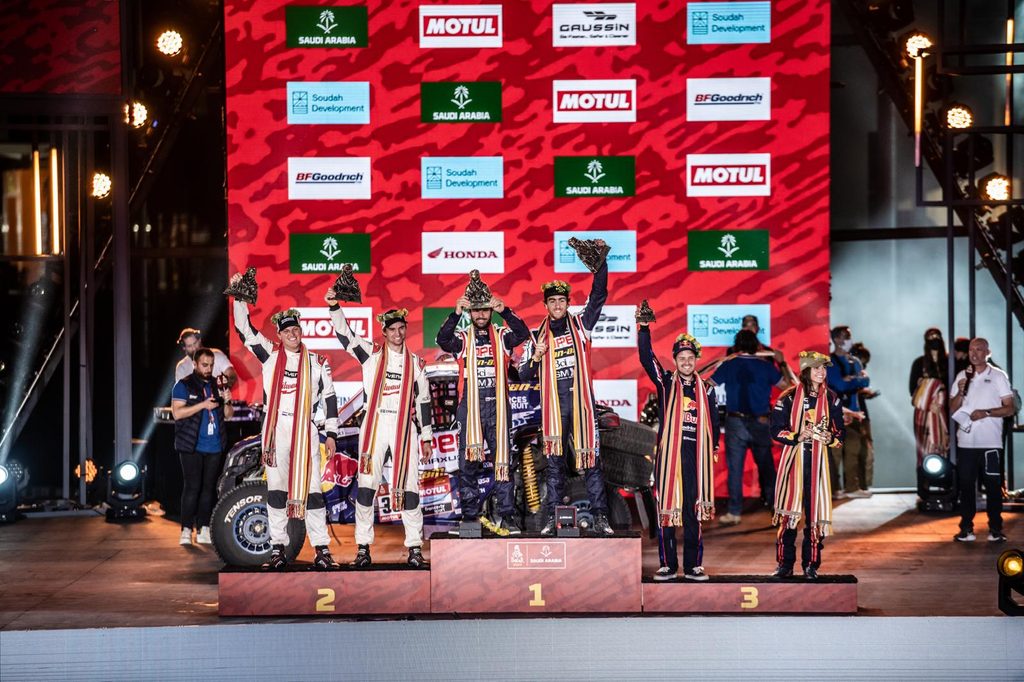
Three weeks later, on 14 January, they stood on the podium in Jeddah as runners-up in the T3 class. ‘A dream scenario, with that coveted Dakar trophy.’
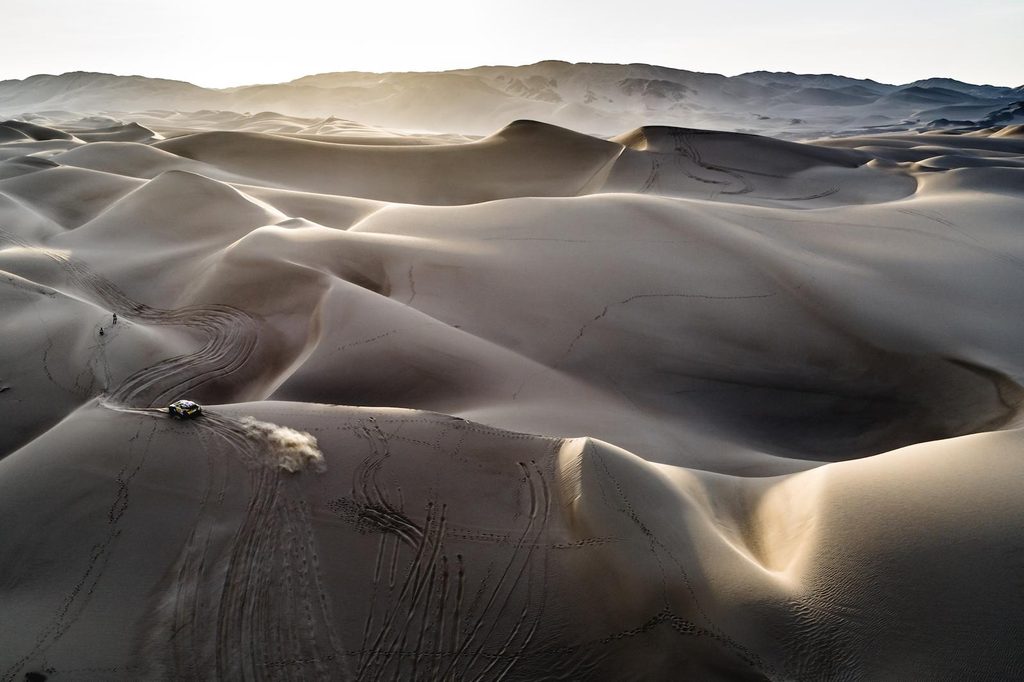
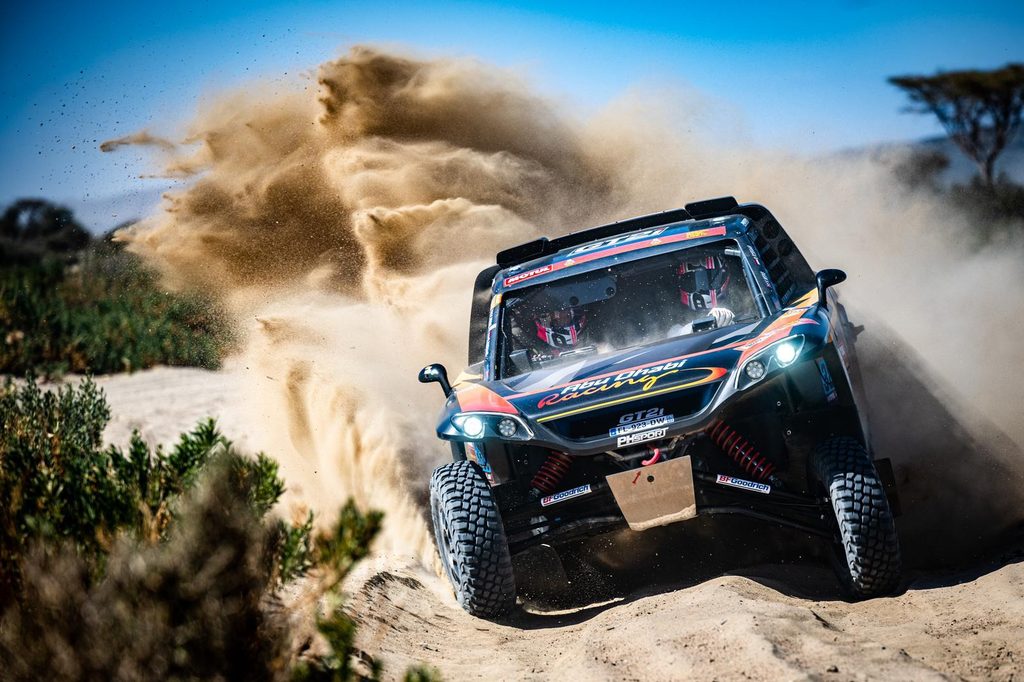
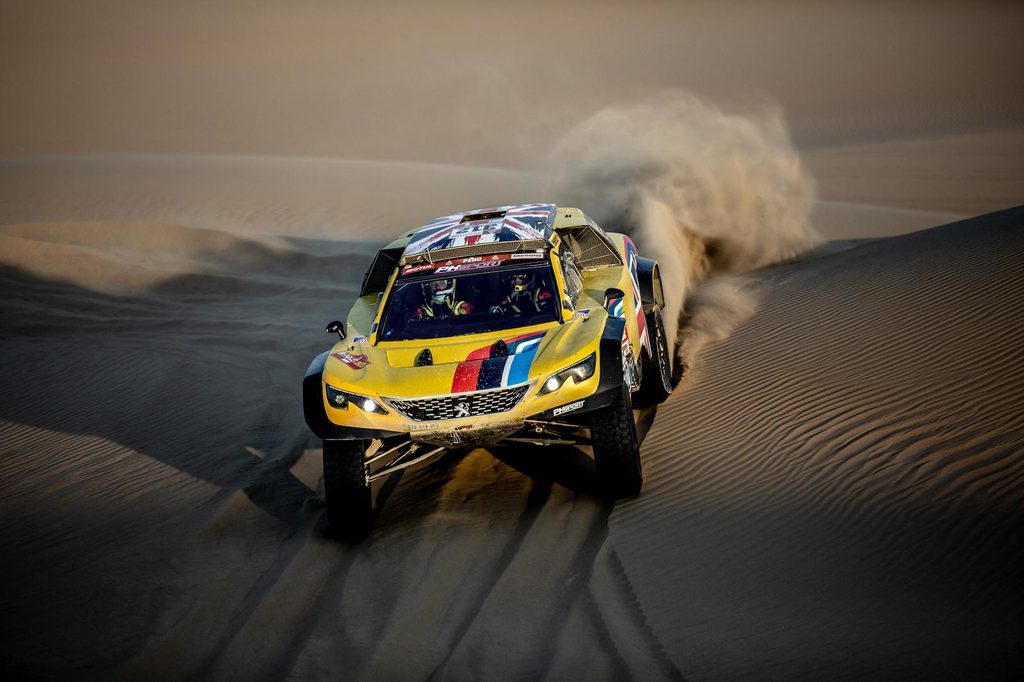
What does he tell novice drivers and navigators? ‘Drive your own race. Agree a realistic goal with each other and stick to it, even with your helmet on.’ And: ‘Stay positive when things go against you. The Dakar is long! Don’t let one bad day drive you mad.’
The field is changing too. According to Wouter, the Dakar has skipped a generation: Nasser Al-Attiyah, Nani Roma and Carlos Sainz are still competing at the top. In recent years a new wave has arrived, with names like Seth Quintero, Henk Lategan, Lucas Moraes and Eryk Goczał. SSVs and Challengers make entry cheaper. Navigation remains a part of the sport where you can make the difference.
The twentieth Dakar
On 9 January Wouter will line up for the twentieth time at the start of the Dakar Rally. What makes that iconic is the start location of this Dakar. In 2006 it began for Wouter in Lisbon, Portugal. In 2027 the rally starts in Loulé-Faro, also in Portugal. It will also be a return to Africa, and once again he does it in a car.
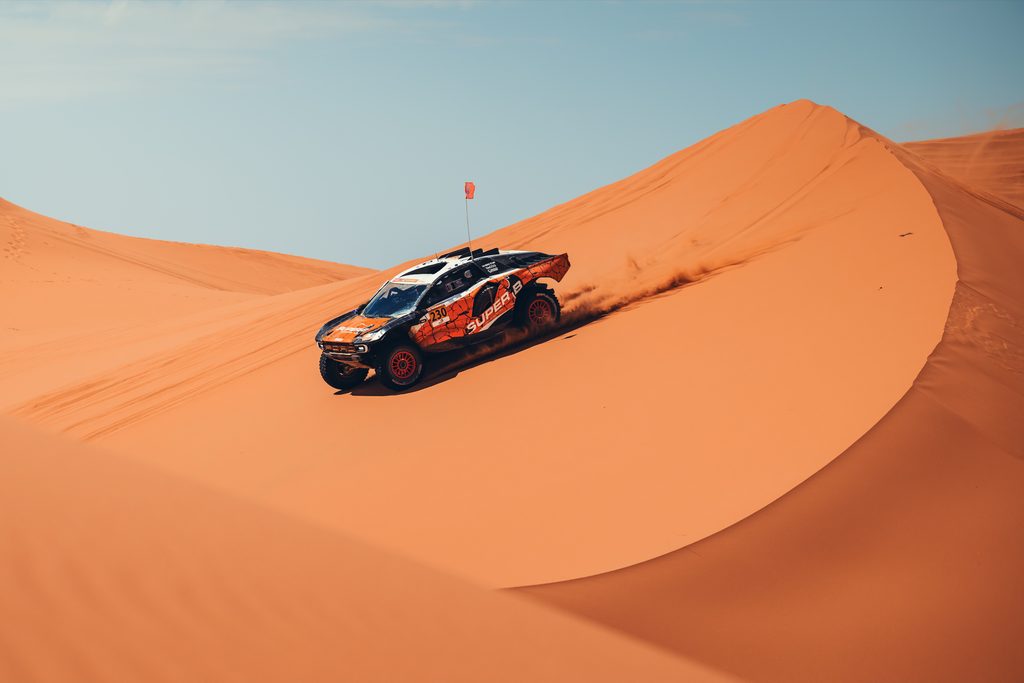
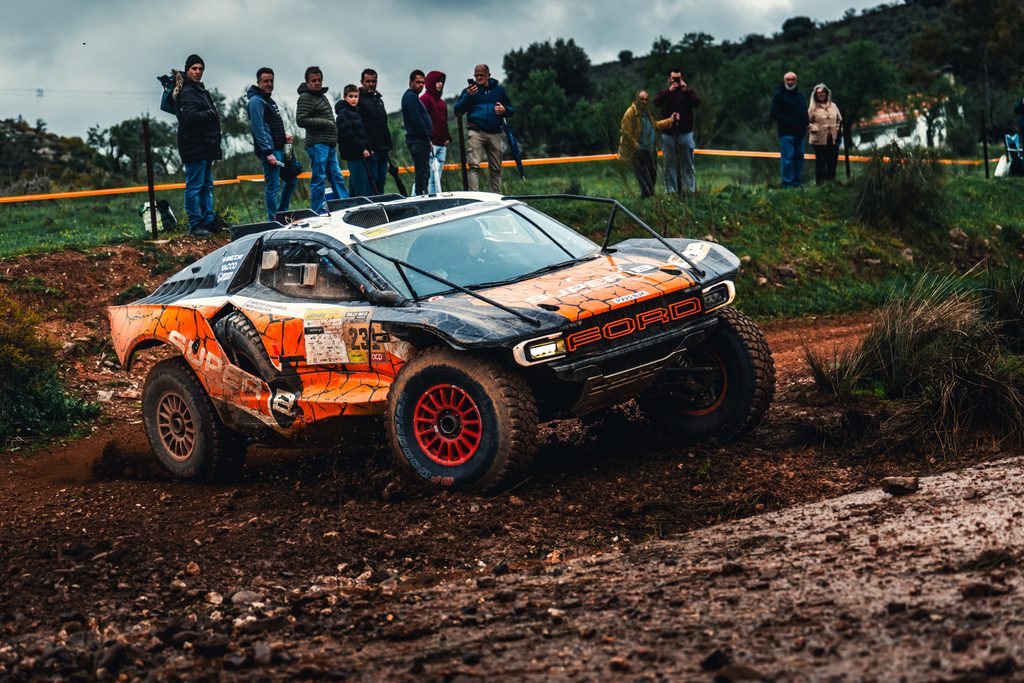
In preparing for Dakar 2027, Wouter has covered many kilometres with Kees Koolen in a Ford Raptor. For Kees it will be his 16th Dakar. He has previously competed in every category the Dakar has: motorbike, quad, SSV, Challenger, truck, single-seater buggy and car. He has won several rally-raid world titles: in 2017 on the quad, in 2020 in the SSV and in 2022 in the truck. Together they therefore have plenty of experience on board for this edition of the Dakar Rally.
What’s next
What does he still want to achieve? ‘I’ll mostly let it come to me.’ Besides the rally, Wouter has his private life and his company. He likes to keep that in balance. ‘I’m always open to a good challenge. If it fits into the whole and I get enthusiastic about it, I’ll go for it!’
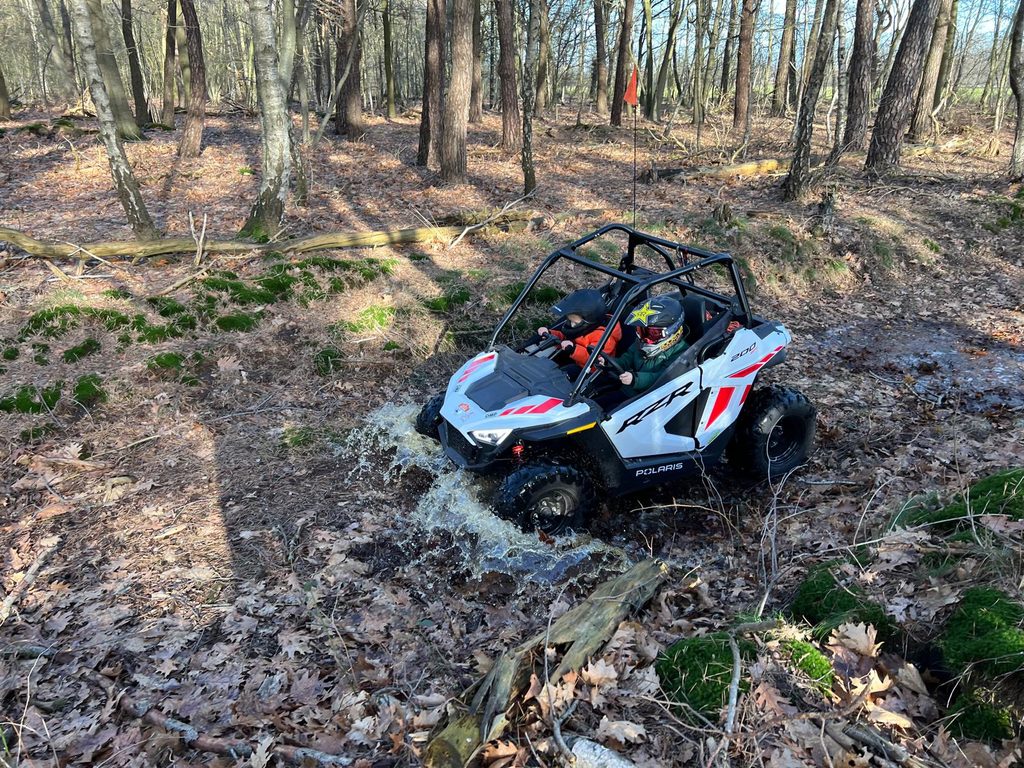
Together with Anke he has two children, Bram (9) and Sofie (6). They know no different than Dad regularly being away for the rally. They ride their own little motorbikes, quads and SSVs, just for fun. Wouter would find it wonderful to share an adventure with one of them someday. ‘But that really has to come from them, not because I think it would be great.’
And behind the wheel himself? ‘My added value is on the right-hand side, as navigator. As long as I can contribute there, I’ll gladly keep doing it.’
The connection with RallyTracks also stems from an indirect business relationship. Robin, who wrote this item, worked for years at Wouter’s company. ‘I was studying when suddenly a request came through a newsletter from the XDakar team asking who wanted to maintain the website during the rally. With my IT background and love of rallying I just had to respond. It was a success, and after my studies I started working at his company. Little did I know that Wouter would ignite that spark in me too, which led me to go to the Dakar and still write about it today. I am hugely grateful to Wouter for that.’
Wouter in numbers
| Item | Figures |
| Participations | 19 up to and including Dakar 2026, the twentieth in 2027 |
| Debut | 2006, with Tonnie van Deijne (Mitsubishi Pajero) |
| Drivers | Van Deijne 4, Van den Bosch 3, Van Loon 4, Meeke 2, Aczel 2, Van den Brink 1, Hunt 1, Eriksson 1, Koolen 1 |
| Continents | Africa 2x, South America 11x, Middle East 6x |
| Classes | Car 9x, truck 5x, T3, Challenger and SSV 5x |
| Best overall result | 4th in 2015 (MINI, with Erik van Loon) |
| Podium | 2nd in the T3 class in 2022 (with Sebastian Eriksson) |
| Finished | 15 of 19 |