
The FIA has withdrawn the emergency measures that had applied to Russian and Belarusian competitors in international motorsport since 2022. This is set out in a circular from the FIA Legal Office dated 13 August 2026, which confirms a decision taken by the World Motor Sport Council (WMSC) on 3 August. The decision was introduced with immediate and binding effect and applies until further notice. For the rally-raid discipline, in which Russian teams such as KAMAZ and MAZ ranked among the world’s best for years, this could certainly have consequences.
The original measures date from 1 March 2022, shortly after the Russian invasion of Ukraine, and were revised in February 2023. Under that arrangement, Russian and Belarusian competitors were allowed to start, but only under a neutral flag and after signing a declaration. That declaration referred to the situation in Ukraine and required competitors to remain politically neutral.
The FIA decision fits within a broader development in international sport. The measure comes about a month after the International Olympic Committee lifted the suspension of Russian athletes. The picture is mixed, however: earlier in 2026 the international gymnastics federation lifted its restrictions and in July the boxing federation restored the rights of Russian boxers, while World Athletics chose to set aside the IOC’s recommendation.
What the FIA decision means in practice
In concrete terms, the decision means that Russian and Belarusian drivers, national teams, individual competitors and officials may take part in international competitions without restrictions. The obligation to sign a neutrality declaration is dropped. National symbols, colours and flags may once again be displayed on clothing, equipment and cars, and national anthems may be played. One measure remains in force: for the time being, no international competitions will be held on Russian or Belarusian territory.
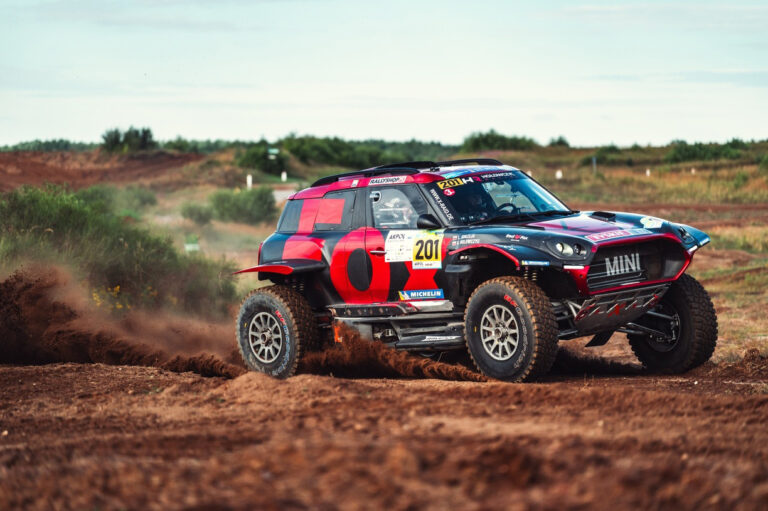
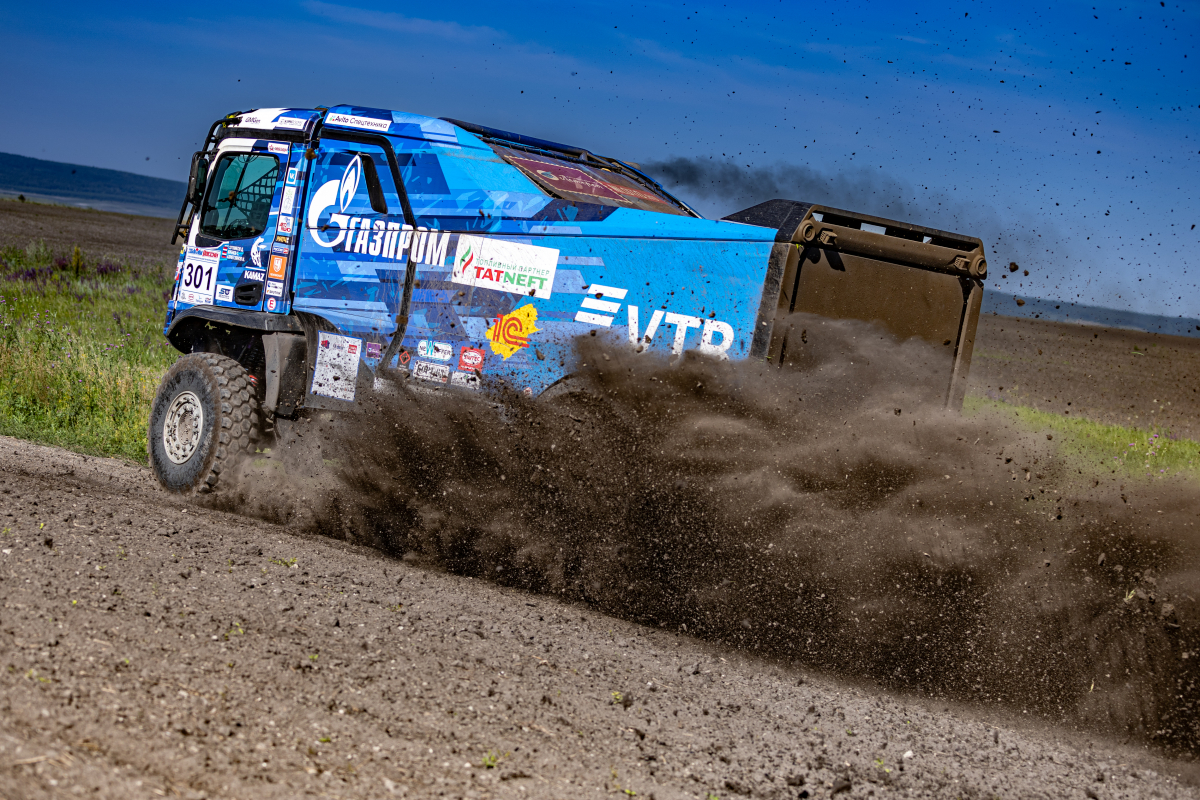
For rally, the significance is considerable. Russian competitors long played a leading role in cross-country, particularly in the truck class. KAMAZ-master won the Dakar a total of nineteen times before the measures took effect in 2022. Sergei Karyakin, the 2017 Dakar winner, refused to sign the FIA document and sat out several editions; he pressed FIA president Mohammed Ben Sulayem for an easing of the rules. With the current decision, the door is open for such competitors to return to the FIA side of the sport.
Division raises questions and tensions
An important nuance applies here. The World Rally-Raid Championship (W2RC) is jointly governed by the FIA and the motorcycling federation FIM. According to recent reports, the FIM, unlike the FIA, has maintained its full ban on Russian and Belarusian competitors in international motorcycle events. That means Russian riders remain excluded for now, while cars, SSVs and trucks under FIA regulations can return. This creates a difference in treatment between the categories within the same event.
The decision raises questions. In announcing it, the FIA gave no substantive justification for withdrawing the measures. The circular further notes that participation in a given country remains subject to applicable international, national and local legislation. In practice, the actual access of Russian and Belarusian competitors may therefore differ from one host country to another, for example due to sanctions or visa rules.
The subject is also sensitive within the discipline itself. When a Russian competitor was allowed to start in the 2024 Abu Dhabi Baja Challenge, Ukrainian driver Vadim Pritulyak withdrew in protest and filed a complaint with the FIA. This illustrates that a return will not be without tensions. The division between the international federations, with the FIM and several other governing bodies maintaining their bans, reinforces that impression.
What does this mean for rally?
On paper, the decision clears the way for a return of Russian and Belarusian teams to the FIA side of rally, potentially including the W2RC and the Dakar. Whether that actually happens depends on several factors: the stance of rally organisers and promoters such as A.S.O., the legislation in host countries and the FIM’s ongoing ban. The FIA says it is monitoring the situation in Ukraine closely and reserves the right to take measures again in the future, among other things to comply with applicable sanctions regimes.
For the rally world, this means the make-up of the entry lists could change in the coming seasons. In the truck class in particular, where the departure of the Russian teams left a clear gap, a possible return would affect the competitive picture. RallyTracks.nl is following developments and will report as soon as concrete consequences for the calendar and the entry lists become known.