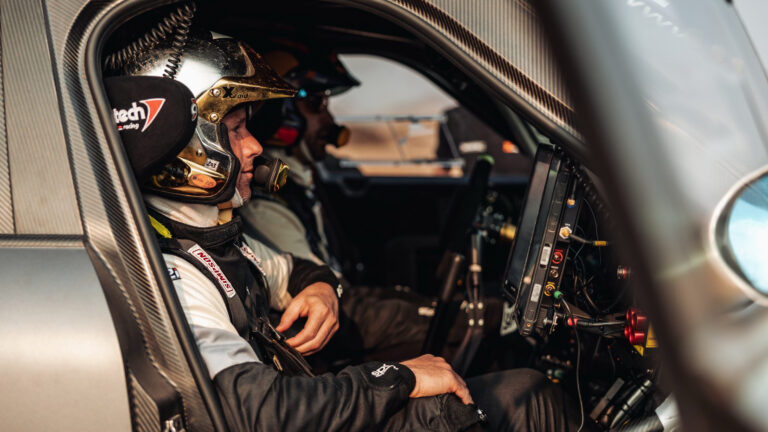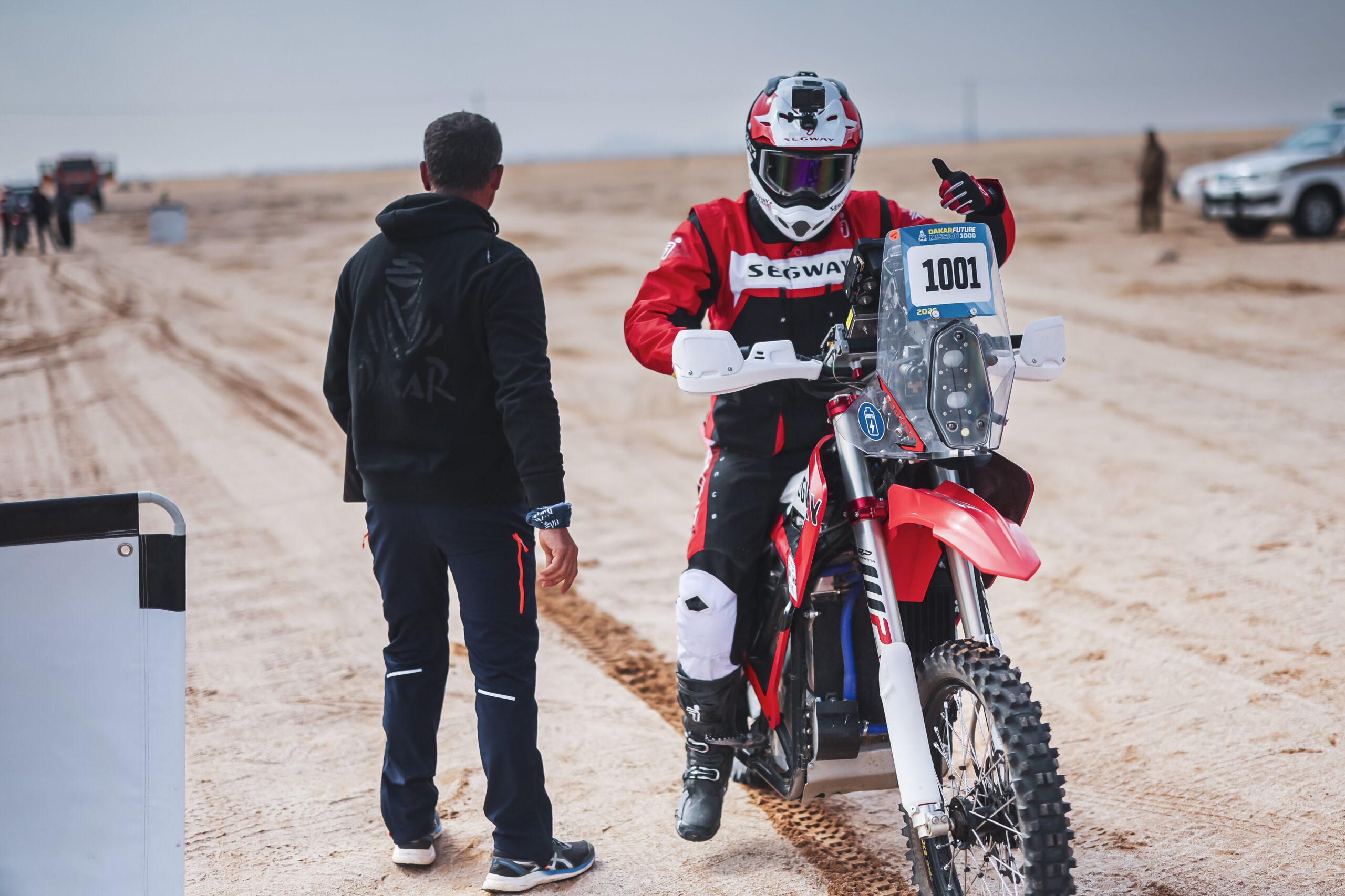

As part of the Dakar Rally’s sustainability initiative, Dakar Future, the innovative “Mission 1000” challenge returns in 2025 for its third edition. This special category offers manufacturers and engineers the opportunity to test alternative powertrain technologies in the toughest conditions imaginable: the Dakar terrain.
This year, the focus is primarily on motorcycles, with seven electric bikes and one experimental truck on the start list. Spread across thirteen shorter stages of approximately 100 kilometers each, the vehicles will cover a total of 1071 kilometers. Rather than pure speed, the emphasis is on reliability, range and technical innovation.
Electric Motorbikes in the Spotlight
Seven fully electric motorbikes are set to take on this year’s Mission 1000 challenge. The greatest obstacles lie not just in the rugged terrain, but in balancing range, battery weight and performance. One familiar name is Argentina’s Benjamin Pascual. Still the youngest Dakar competitor, he returns with a new version of his Segway bike. Thanks to a 40-kilogram battery weight reduction, the bike now weighs 200 kilograms in total. While further development is still needed, Pascual is already eyeing improvements for the 2027 edition.
Esther Merino: From Classic to Electric
Among the participants is Spanish rider Esther Merino, the only woman on two wheels in this year’s Mission 1000. In 2022 she competed in the Dakar Classic with her eight siblings, spread over four vehicles. Now, the experienced Spanish off-road champion takes a step toward the future. Riding for the Sino-Spanish Arctic Leopard team alongside Dakar veteran Miguel Puertas and Fran Gomez Pallas, she is not only aiming for victory in the category but hopes to contribute to the evolution of electric rally bikes. Their long-term goal is to eventually compete with combustion bikes, provided that battery swap regulations with time neutralization are introduced.
Juvanteny and Criado: Experience on Display
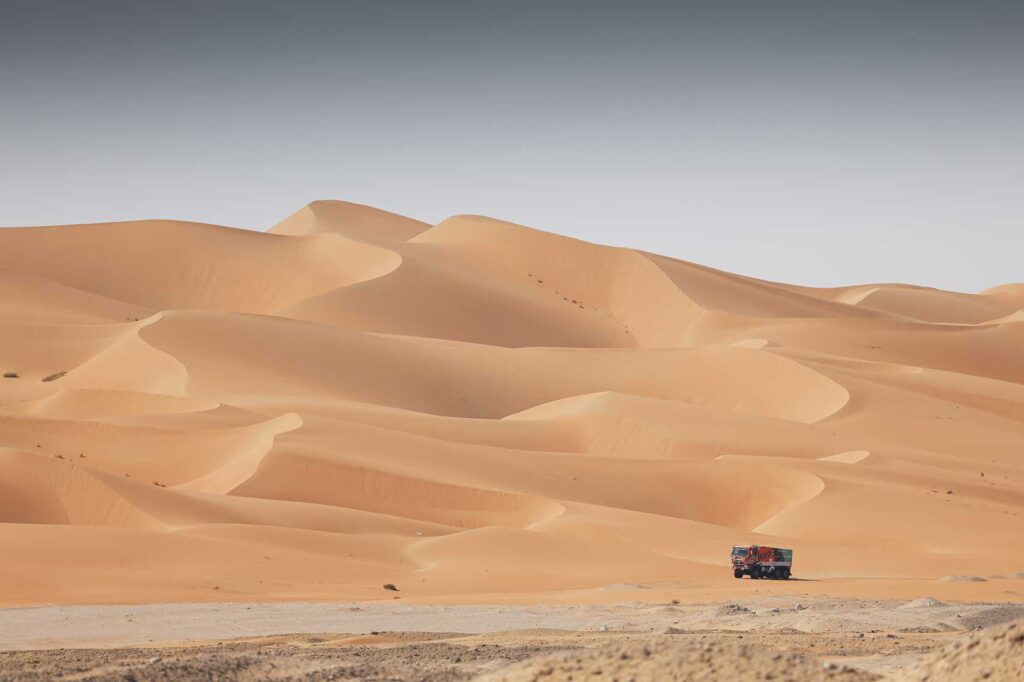
The only truck in the Mission 1000 lineup is once again fielded by the KH7 Ecovergy team from Spain, which dominated the first two editions with a hybrid hydrogen-powered vehicle. Behind the wheel is Jordi Juvanteny, starting his 34th Dakar, while navigator Jose Luis Criado records his 35th start, approaching the all-time record. Engineer Xavi Ribas rounds out the crew, having already contributed to two previous victories using this technology. Their latest truck features an upgraded electric hybrid system that not only performs better in the dunes but also allows zero-emission operation within the bivouac. The team sees this as a viable future solution for race and support vehicles alike.

HySE Project on Temporary Hold
The HySE project, a joint effort by five major Japanese manufacturers — Toyota, Honda, Suzuki, Kawasaki and Yamaha — takes a strategic pause in 2025. In the past two editions, they tested a hydrogen-powered side-by-side (SSV). Now, the consortium aims to analyze the data thoroughly and develop a more powerful and autonomous version of the vehicle. A return is planned for 2027 with a more competitive concept.
Mike Horn’s Energy for the Bivouac
South African adventurer Mike Horn, known for extreme expeditions and two Dakar entries alongside Cyril Despres, is now focusing on energy supply systems. Through his company Inocel, Horn has developed hydrogen fuel cell generators. These will be used during Dakar 2025 to power parts of the bivouac and the Mission 1000 vehicles. It is a test run with significant potential, possibly paving the way toward more sustainable energy solutions within rally raids.